

Diplomatic SOCIETY spoke to Elisabeth Riecken about the joys and challenges
of life as a diplomat’s wife.
You have already accompanied your husband, H.E. Andreas Riecken, to a posting in Beijing and are now living in Copenhagen. What is it like having to uproot your life and start all over again every few years?
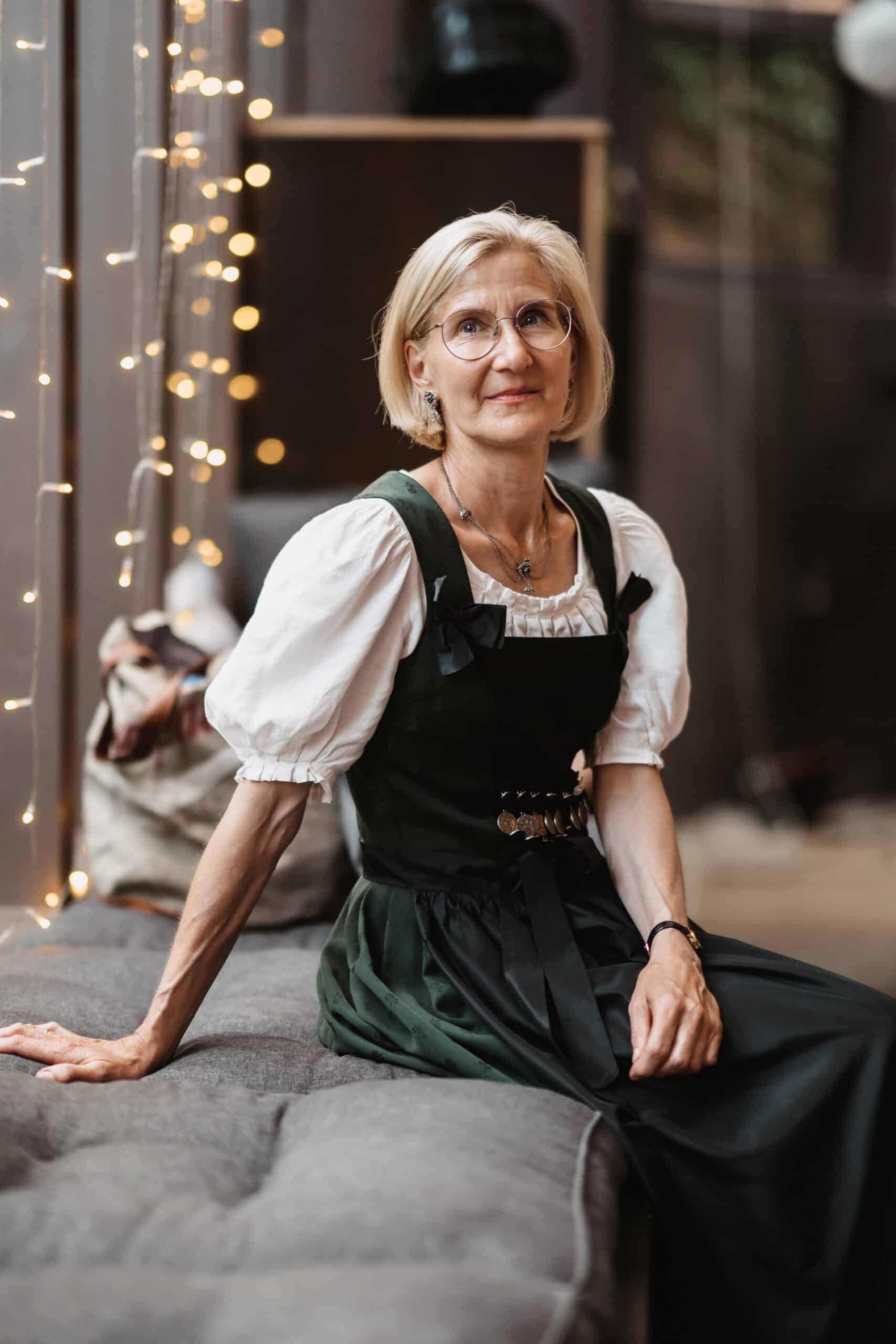
I lived in Beijing with my husband and two of our four children from August 2021 until 2025. Those years were not always easy, as we spent almost two years living under the Chinese government’s famously strict measures to contain the Covid pandemic.
At the same time, we formed some very close friendships. As expats, we were relatively isolated, and those friendships became an invaluable source of support.
After four years, when it was time to move to Copenhagen, saying goodbye was difficult, even though we were also looking forward to returning to Europe. Then came another fresh start — in a country I had never visited before.
On his first day at a new post, my husband walks into the embassy, finds an office waiting for him and is welcomed by his colleagues. I, meanwhile, am standing amid mountains of packing paper, trying to turn a new house into a home as quickly as possible.
The hardest part is not starting my own life from scratch every few years. It is seeing the children unhappy — because they miss their old friends and family, have not yet found their place in their new surroundings, or are understandably nervous about their first day at a new school.
My husband and I made the decision to embrace the diplomatic life together. Our children, of course, were not asked, and they have had to move with us.
But there are also wonderful advantages. They grow up speaking several languages, discover different cultures, develop a global outlook and learn from an early age to be adaptable, open-minded and independent.
Life as a diplomatic family is certainly not always easy, but it is a life filled with shared adventures, exciting journeys and unique experiences that we get to enjoy together.
What kind of work does an ambassador’s wife do that often goes unnoticed?
People often see only the glittering facade of diplomacy. Behind it, however, lies a great deal of work — much of it unpaid.
As spouses and partners of diplomats, we are bridge-builders. We build networks with the partners of other members of the diplomatic community and with representatives of the host country. We cultivate relationships with local cultural and charitable organisations, German-speaking congregations and German schools abroad, as well as with Austrian expats and people who have developed a special affinity for Austria.
We create spaces in which, for example, confidential conversations can take place — conversations that can be important to diplomatic work, often away from the formal channels of diplomacy.
Where appropriate, we also become involved in charitable initiatives in the host country, organise charity bazaars or support local NGOs. This kind of “soft power” can be enormously valuable in fostering successful and productive diplomatic relations.
The Austrian residence where we live as a family — and where many official events take place — also needs to be kept immaculate, well maintained and presentable. It is, after all, Austria’s calling card in the host country.
Together with the embassy’s administrative staff, we oversee necessary repairs and renovations to the building and its grounds. We organise events such as Austria’s National Day celebrations, train household and waiting staff, work with chefs and catering companies to develop menus for formal dinners, high-level visits and receptions, organise food and other supplies for events, and sometimes even cook for guests ourselves.
In short, the role calls for the skills of an attentive hostess, event manager, logistics specialist, HR professional, chef and dietitian — as well as those of a cool-headed crisis manager when, despite the best-laid plans, an unexpected “disaster” strikes at the last minute.
What do you see as the advantages of this lifestyle, and what do you particularly enjoy about it?
I still find it fascinating to immerse myself deeply in the culture, history and mentality of the country we are living in. I enjoy discovering places that one would never encounter as a tourist and learning new languages.
What I particularly enjoy is meeting fascinating people from all over the world and, through friendship, gaining a deeper insight into their perspectives, values and ways of life.
What advice would you give husbands and wives accompanying their husbands abroad on diplomatic assignments?
If at all possible, establish yourself professionally before moving abroad with your partner. Ideally, find out about opportunities to continue working in your profession in the country you may be posted to before your husband applies for a particular assignment. At the same time, keep your eventual return to professional life in Austria in mind.
If you have children, it is important to research the availability and quality of schools and kindergartens at the prospective posting.
Above all, however, I would recommend getting in touch with the CDA, the organisation for partners and families within Austria’s Federal Ministry for European and International Affairs. There are colleagues there who are committed to supporting you with advice, practical help and guidance in all aspects of life abroad.
Michaela Lorber Photography & Design