

In the northern part of Algeria, the cultural heart of Africa’s largest country beats strongly: from the capital Algiers to Oran and Tlemcen, and further east to Annaba, visitors are offered an impressive diversity of historical sites and authentic places.
Algeria is only slowly and cautiously opening up to international tourism – and it is precisely this that makes the “Land of the Desert Foxes” so special. Both its fascinating cities and its unique landscape, more than 80% of which is desert, can be discovered far away from the crowds – authentically and unspoiled.
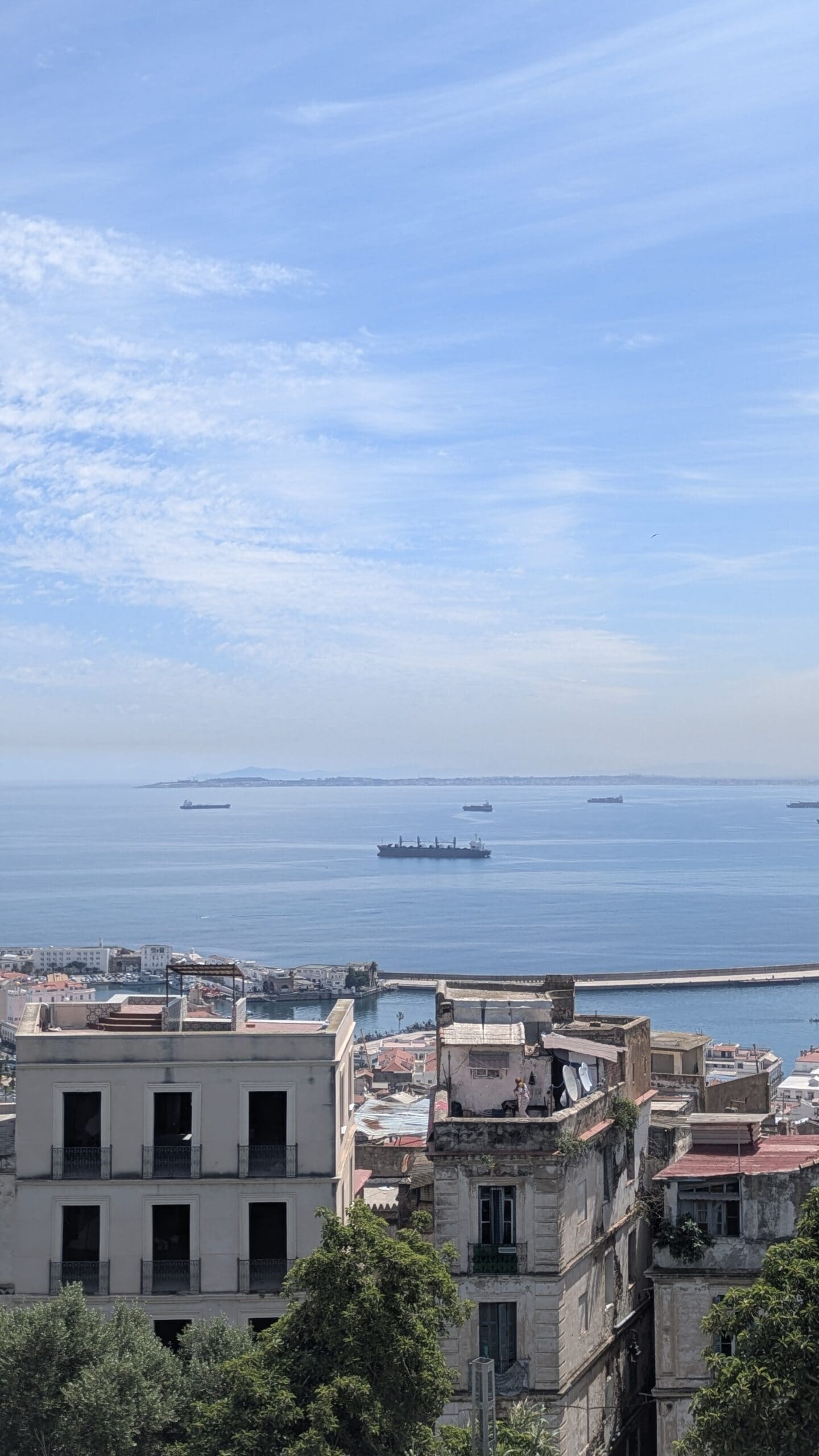
Less than three hours‘ flight from Vienna, “Algiers la Blanche,” the white capital of the Maghreb state, sprawls across the hills overlooking the Mediterranean Sea. Whitewashed buildings rise above the water, forming the “Kasbah,” the historic old town district with its citadel of the same name, built in the 16th century and once serving as an Ottoman power center. It forms the highest point of the medina, whose narrow alleys descend all the way to the Mediterranean Sea. This fascinating labyrinth, where traditional Ottoman palaces, old mosques, and historic houses line up next to each other, and which served as one of the most important centers of resistance during the war of independence, has been a UNESCO World Heritage Site since 1992 and is best explored with a local guide. The heart of the city has largely preserved its authenticity; only occasionally are handmade souvenirs offered or traditional white garments, called “haik,” lent to foreign visitors for fitting.
North of the Kasbah, on a cliff overlooking the Bay of Algiers, stands one of many remnants of the French colonial era: the Basilica of Notre Dame d’Afrique, a Roman Catholic pilgrimage church built by the French in the 1860s. The view alone over the city below is worth the visit.
An equally impressive panorama can be enjoyed from the 265-meter-high minaret of the “Great Mosque of Algiers.” It is considered the largest mosque in Africa and the third largest in the world; its minaret is the tallest. The vast prayer hall can be visited, as well as the two impressive courtyards, where geometric water features emulate traditional Islamic garden architecture.
Back in the city center, visitors should not miss the Ottoman Raïs Palace directly on the coast, the nearly 100-meter-high Martyrs’ Memorial including its museum, the seafront boulevard Che Guevara, and the Central Post Office built in Moorish style.
For history enthusiasts, a day trip to Tipasa is worthwhile – the ancient ruins of this coastal city tell the story of its founders, the Phoenicians, and the Romans, who later conquered Tipasa and turned it into a military colony. The remains lie directly by the turquoise sea, surrounded by forested mountains, and are among the best-preserved Roman settlements in the world.




Oran
Following in the footsteps of Albert Camus and Yves Saint Laurent leads to the vibrant coastal city of Oran, about one hour’s flight from Algiers. “The Radiant One” combines rich history and cultural diversity with a lively music scene, as it is considered the birthplace of Raï, a popular Algerian folk and pop music genre. Oran was also once home to fashion designer Yves Saint Laurent, whose former childhood residence now houses a memorial and museum.
The French-Algerian writer Albert Camus also spent several months in the “City of Lions,” which later became a central setting for his novel The Plague. Even today, one can dine at the restaurant “Le Cintra,” where Camus is said to have written the first lines of his most famous work. It is located in the city center, whose architecture is strongly influenced by the French colonial era and, with its cream-colored façades and wrought-iron balconies, is reminiscent of cities such as Marseille or Paris. The theatre, located on Place du 1er Novembre, was also built during the colonial period and is considered the cultural heart of the city. Right next to it stands Oran’s town hall with its famous lion statues, symbolizing power and order.
Interesting insights into history, archaeology, art, and natural history can be gained at the Ahmed Zabana National Museum. Spanish influences dating back centuries are especially visible in Oran’s bullring and the Santa Cruz Fortress, which offers a magnificent view over the city and the sea below.


Tlemcen
Only two hours by car from Oran lies Tlemcen on a limestone plateau, the capital of the province of the same name and of the former Zayyanid Kingdom. In the “Pearl of the Maghreb,” Moorish-Andalusian architecture meets Berber traditions and Islamic monumental design.
The Great Mosque from the 11th century is considered one of the most important examples of Berber-Islamic Almoravid architecture, featuring intricate stone carvings, a magnificent prayer niche (mihrab), and exceptional acoustics. The former residence of Zayyanid Sultan Yaghmurasen Ibn Zyan in the 13th century can be explored at the El Mechouar Palace. After extensive restoration in 2010/11, the former power center shines again in its old glory and somewhat resembles the world-famous Alhambra in Spain.
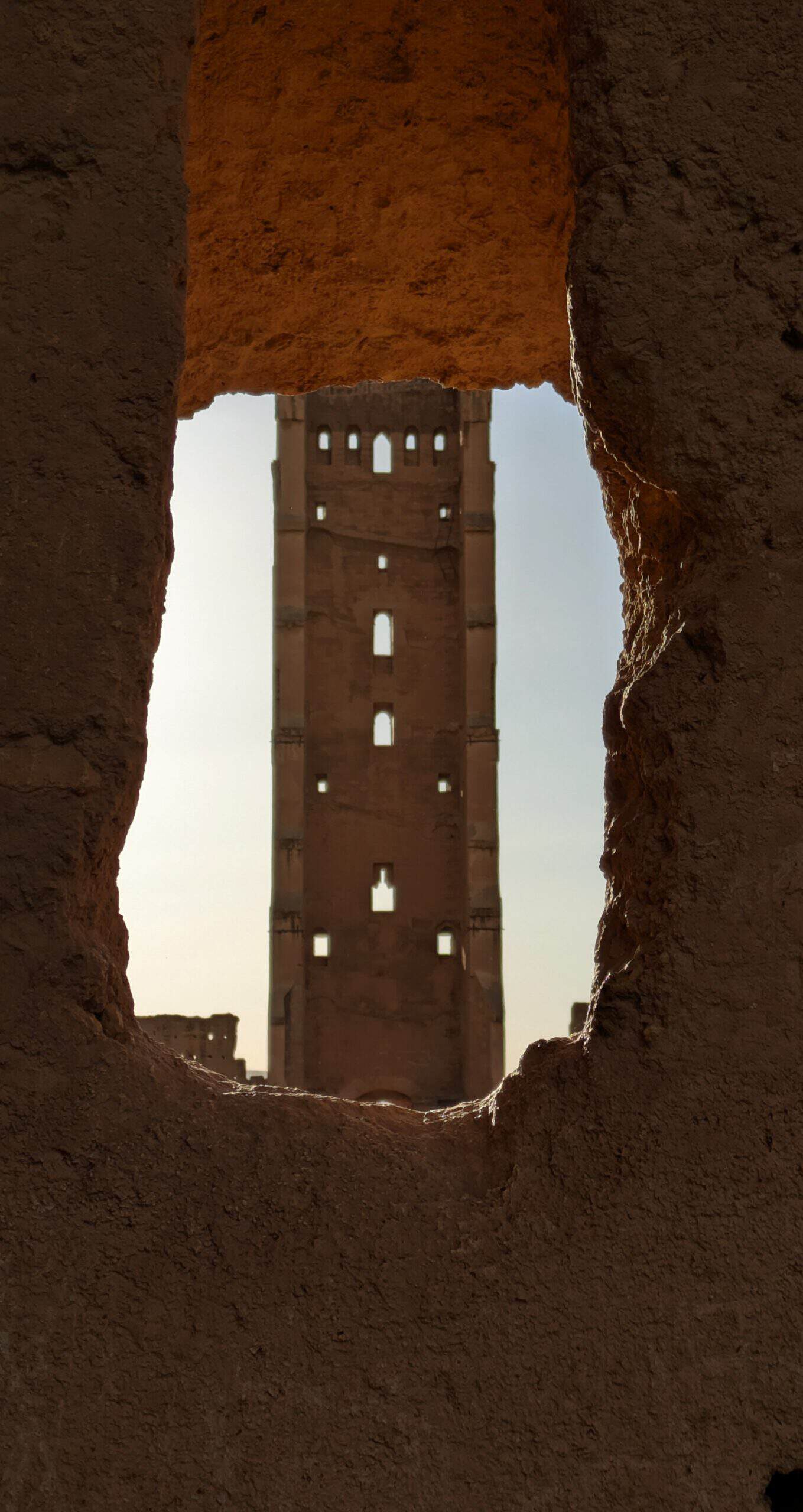
In the nearby ruins of the former Marinid city of Mansoura, the well-preserved minaret made of pink-brown natural stone with turquoise-blue decorations stands out in particular.
In the caves of Beni Add, located in the mountains of Ain Fezza and once used as a hideout by Algerian independence fighters during the war against the French, stalagmites and stalactites form unique structures that have been open to visitors since 2006. A visit to this impressive natural wonder is well worth it.


Annaba
About two flight hours from Oran, the fourth-largest city in Algeria, Annaba, impresses with Mediterranean charm. The Cours de la Révolution, a promenade in the heart of the city, resembles a smaller version of Barcelona’s Las Ramblas: along the promenade lined with more than 100-year-old rubber trees, locals and visitors meet for coffee or tea and observe the lively atmosphere.
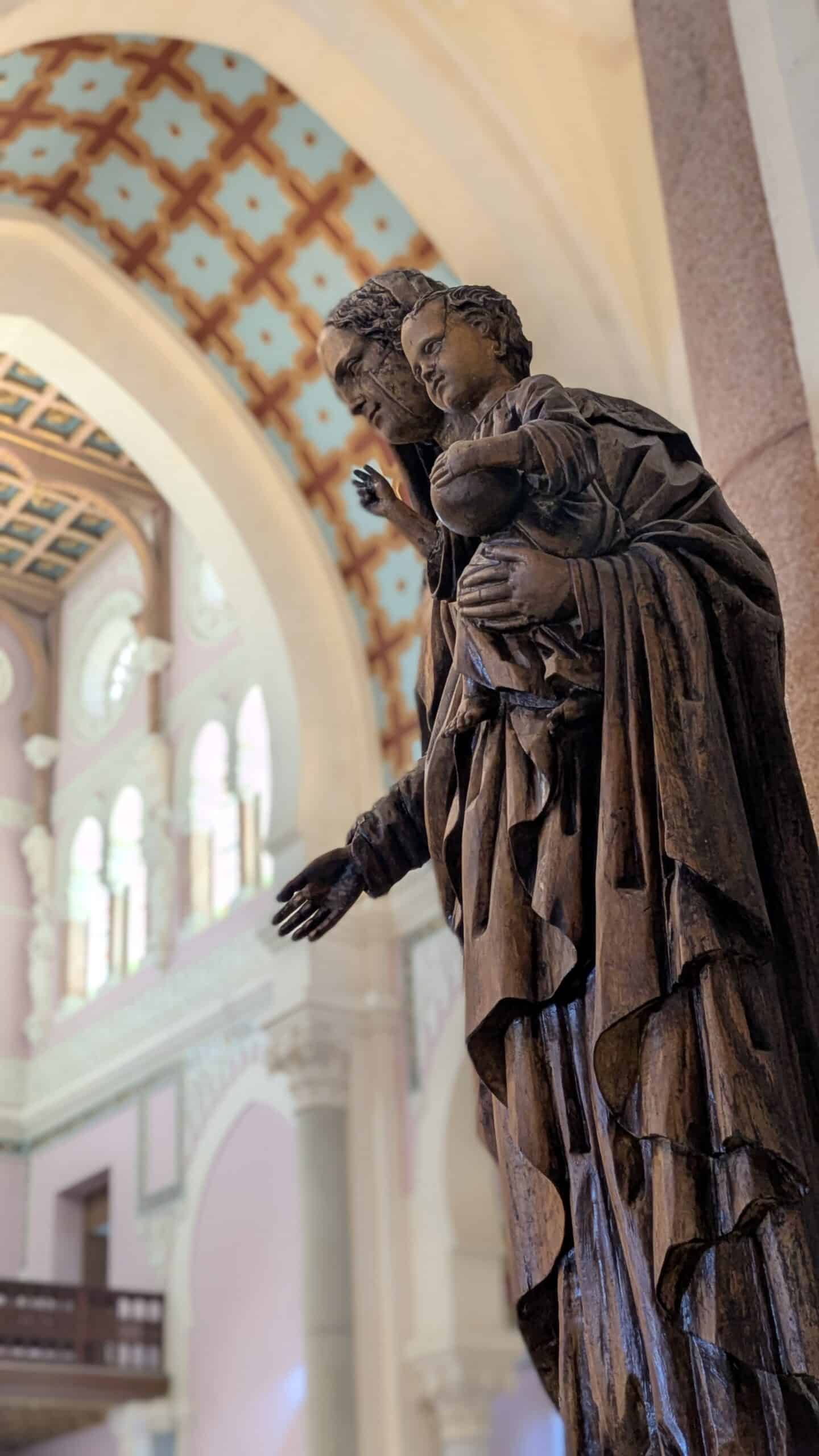
In the south of the city, the Basilica of Saint Augustine, completed in 1900, rises above the picturesque surroundings. It is dedicated to the Church Father Augustine (354–430), who served as bishop in ancient Hippo Regius. A small Christian community still lives in the region today, which was even visited in April this year by Pope Leo XIV – himself an Augustinian.
At the foot of the hill lie the fascinating ruins of Hippo Regius, an ancient coastal city founded by Phoenicians in the 9th or 8th century BCE, similar to Carthage. Surrounded by Mediterranean nature, the site appears almost surreal in sunlight – the view of the basilica further emphasizes the uniqueness of the place.


An Authentic Experience
Northern Algeria presents itself in its most original form – and precisely for that reason, its discovery is so exciting. Even though the country is gradually opening up to tourism, it is doing so cautiously. As Tourism Minister Houria Meddahi stated at the “SITEV” tourism fair in May 2026: “Algeria does not want mass tourism.” Instead, the country focuses on sustainable growth and the preservation of its historical identity.
Accommodation
ALGIERS
- Hôtel El Djazair – vintage charm with history
eldjazairhotelalgiers.com - El Aurassi – with a magnificent view over the city and the Bay of Algiers
elaurassi.dz
ORAN
- Grand Hotel Oran – freshly renovated, magnificent property in the city center
grand.hoteloran.net/en
ANNABA
- Hotel Seybouse – great location and beautiful rooftop restaurant
hotel-seybouse.dz
Fotos: pexels/pixabay/privat