
In its anniversary year 2026, the ALBERTINA is celebrating its 250th anniversary. On this occasion, Diplomatic SOCIETY spoke with Director General Ralph Gleis about key milestones in the museum’s history, exhibition venues as places of responsibility, and the vision of creating a “museum for everyone.”
This year, the ALBERTINA celebrates 250 years of existence. What would you consider the most significant milestones in the museum’s history, and what can visitors look forward to during the anniversary year?
The history of the ALBERTINA has been shaped by several decisive turning points: from its founding in 1776 as a princely collection by Duke Albert and Archduchess Marie Christine, to its development into a public museum, and ultimately its transformation into one of the world’s leading exhibition institutions.
Exhibitions such as Collecting for the Future and presentations dedicated to the women artists in our collection offer new insights into our holdings while also raising the question of how a museum collects and thinks about the future today. Visitors can look forward to rarely displayed works, fresh perspectives, and a program that brings together tradition and contemporary relevance.
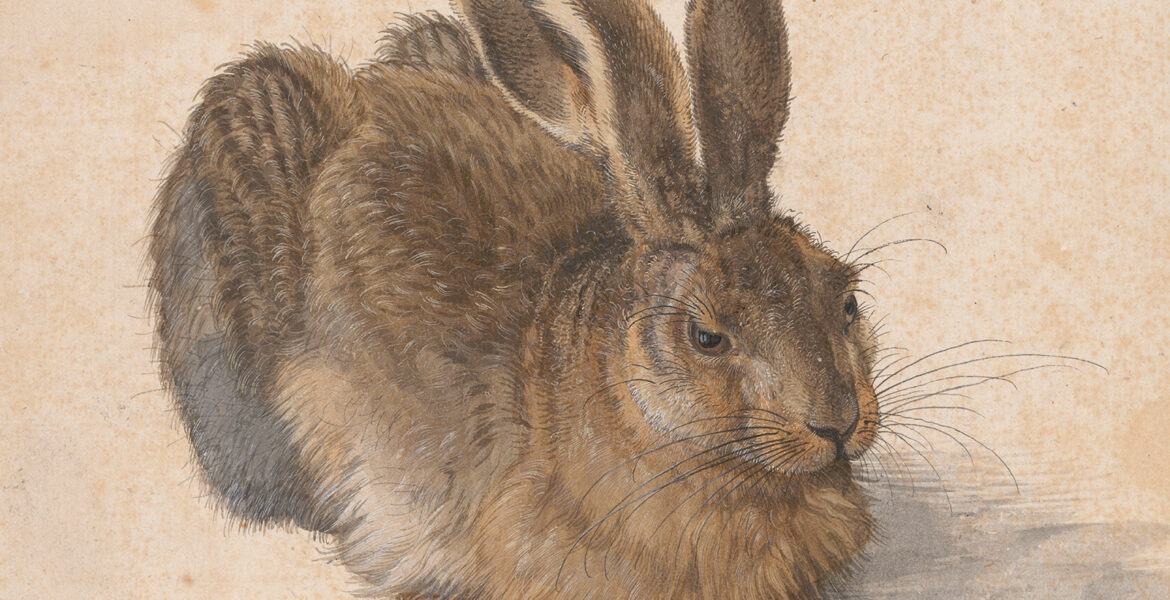
Dürer’s Young Hare—probably ALBERTINA’s most famous work—is set to be “let out of the stable” this year. What responsibility comes with owning a masterpiece of such global significance, and how important are works like this for a museum?
A work such as Dürer’s Young Hare is a unique cultural treasure of immeasurable value, and with that comes a great responsibility. Unlike oil paintings, this watercolor painting on paper can only be exhibited under strictly controlled conditions and for limited periods of time due to its sensitivity to light. Our foremost task is to preserve this masterpiece for future generations.
At the same time, such iconic works are of immense importance to a museum because they attract attention and draw people in. They often serve as a first point of access to art. What matters most, however, is that they are not presented in isolation but are interpreted within the broader context of the collection and through new perspectives and questions.
You have said that you want the ALBERTINA to be a museum for everyone. What initiatives support this goal, and how do you intend to reach people who have never visited a museum before?
For me, a “museum for everyone” means breaking down barriers and creating new points of access. We therefore place a strong emphasis on educational and outreach programs, particularly for children, families, and school groups, as well as on formats that encourage interaction with art, such as those featured in the current KAWS exhibition at ALBERTINA MODERN. In this way, a museum visit becomes an active experience.
Our children’s vernissages, designed specifically for young visitors and held before the official public opening, reflect our guiding principle: “Kids first!” During the anniversary weekend alone, we will celebrate 250 years of the ALBERTINA with an extensive educational program featuring 250 special guided tours and workshops.
In addition, digital engagement plays a central role. Through our online collection and digital formats, we are able to reach people who may not yet have had direct access to the museum. The key is to make art feel relevant and accessible—as an experience that sparks curiosity and brings joy.
What kind of “power” does art have, and what can museums contribute in times of political pressure? Is that even part of a museum’s responsibility?
Art has the ability to raise questions about the present, open up new perspectives, and make social realities tangible. Museums are places where different viewpoints can meet within a protected environment. Especially in politically uncertain times, it is essential to maintain spaces for reflection, dialogue, and critical thinking.
I see it as part of a museum’s responsibility to contribute to public discourse—not by providing simple answers, but by offering inspiration for thought and discussion. Openness to different perspectives, along with the freedom of art and scholarship, are fundamental prerequisites for a democratic society.
Fotos: Albrecht Dürer
Feldhase, 1502
25 × 22,5 cm, Aquarell und Deckfarben, Pinsel, mit Deckweiß erhöht
© ALBERTINA, Wien
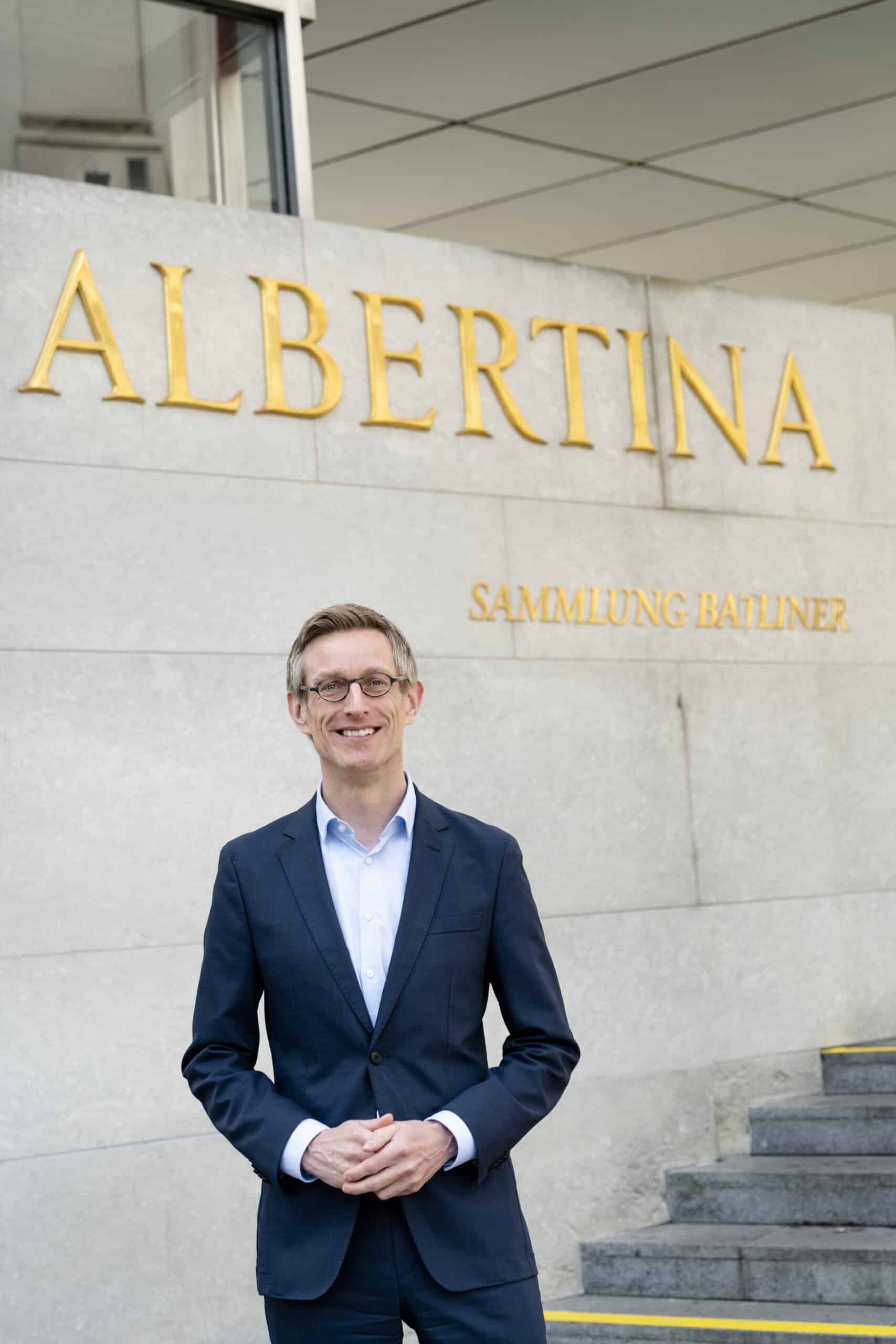
© ALBERTINA Museum, Wien / Hauswirth